
Welcome to the ultimate guide that shows how mindset shapes outcomes in the financial markets. This introduction explains why emotions like fear, greed, hope, and regret drive many choices. Knowledge and skill matter, but how you respond under pressure often decides success.
Professional investors gain the most when their decisions follow a rules-based plan that accounts for predictable emotional responses. A clear process helps reduce impulsive moves and keeps risk aligned with goals.
This guide covers practical steps a trader can use right away. You will learn to spot personal triggers, apply risk controls, and document performance to limit biases. By aligning process and mind, you improve consistency and boost long-term success.
Key Takeaways
- Mindset influences results as much as tools and strategy.
- Rule-based plans help investors avoid emotional errors.
- Simple routines and risk controls reduce impulsive decisions.
- Recognizing triggers is the first step to better outcomes.
- Combining process and self-awareness raises consistency and success.
What Is Trading Psychology?
Moment-to-moment feelings shape decisions as much as the data behind them. In simple terms, trading psychology defines the mix of emotions, mental states, and habits that guide a trader from idea to exit.
Psychology refers to how stress, confidence, and routine influence real-time choices. These forces can override careful analysis and lead to inconsistent risk control.
The emotional spectrum centers on fear, greed, hope, and regret. Fear causes hesitation or early exits. Greed pushes people to hold too long. Hope and regret can prompt chasing late entries.
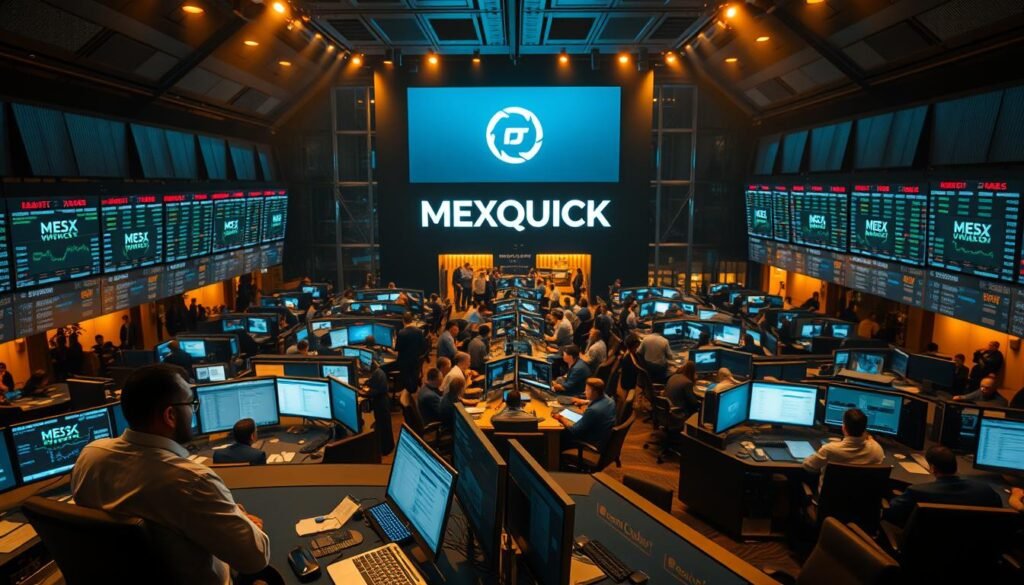
“Biases and heuristics change how data is gathered and turned into decisions.”
- Scope: pre-trade prep, in-trade choices, post-trade review.
- Impact: affects both discretionary and rules-based approaches.
- Result: unchecked emotions create cognitive shortcuts and persistent biases.
| Stage | Common Issue | Practical Fix |
|---|---|---|
| Pre-trade | Overconfidence | Written plan and checklist |
| In-trade | Fear-driven exits | Pre-defined risk limits |
| Post-trade | Regret and chasing | Structured journaling |
Why Trading Psychology Matters in Financial Markets
Emotions quietly steer how investors collect information and commit capital in the market. Small mental shortcuts change what data people value and when they act.
How emotions shape the investor decision-making process
Feelings influence research choices. Investors seek confirming evidence and ignore contrary signals. That bias narrows the decision-making process and alters timing.
Fear of missing out can push a trader to join late. Overconfidence may size positions too large. Both distort risk and raise the chance of unacceptable losses.
- What information investors seek: selective research and confirmation.
- How probabilities are weighed: optimism or pessimism skews estimates.
- When capital is committed: urgency leads to poor entry timing.
Links to performance: from analysis quality to portfolio outcomes
Portfolio results flow from investment decisions that rest on analysis and judgment. Biased interpretation degrades entries, exits, and sizing.
Behavioral finance shows consistent errors that widen drawdowns and mute returns. Better processes—predefining risk, using a stop-loss order, and decoupling ego from outcomes—limit emotional spillover.
“Small improvements in discipline compound into significant performance gains over many trades.”
| Issue | How it Hurts Performance | Practical Fix |
|---|---|---|
| Confirmation bias | Flawed analysis; misses contrary signals | Use checklists and independent research review |
| FOMO / late entry | Compressed reward-to-risk and higher slippage | Predefine entry rules and delay to revalidate setup |
| Overconfidence | Big position sizes and larger drawdowns | Cap position size and apply risk limits |
Psychology is a measurable lever. When traders treat mental skills like any other tool, they improve consistency, control drawdown, and raise long‑term expectancy.
Fear and Greed: The Twin Engines of Market Behavior
Fear and greed act as constant pressure points that shape behavior across market cycles. These emotions push investors toward quick exits or oversized bets, and they often arrive together during heightened volatility.
Fear: panic selling, premature exits, and avoiding calculated risk
Fear shows up when traders hesitate on valid setups, tighten stops too much, or bail during routine pullbacks.
At worst, fear becomes panic selling during bear phases and forces capitulation that magnifies losses.
Greed: overtrading, staying too long in winning positions, and chasing profits
Greed pushes some to press size beyond plan, buy soaring assets without due research, or refuse to scale out of positions.
This behavior is common late in bull markets when optimism turns into irrational exuberance.

Market phases: bull exuberance vs. bear capitulation
Herd behavior amplifies both emotions. An example is the dotcom bubble, when narratives overtook fundamentals and created a speculative peak.
Traders may follow the crowd, overtrade at highs, and panic-liquidate at lows, which increases volatility and compounds losses.
- Fear: hesitating on setups, moving stops too tight, exiting during normal pullbacks.
- Greed: adding beyond planned size, holding too long, chasing unrealistic profit targets.
- Pattern risk: strong trends can hide poor reward-to-risk late in a move; deep drawdowns can conceal stabilizing opportunities.
“Treat these emotions as signals to recheck your plan, not as commands to act impulsively.”
Manage fear and greed with predefined rules. Set clear limits on position size, adds, and exits. Use a systems mindset so emotions inform a plan review rather than override it.
Behavioral Finance and Cognitive Biases Traders Face
Behavioral patterns often explain why sound analysis fails to produce consistent results. Key biases distort how investors gather facts and act under pressure. Awareness is the first step toward better investment decisions.
Common cognitive biases create predictable pitfalls that trip up both novice and experienced market participants. Below we define the core biases and offer practical fixes.
Overconfidence, anchoring, and mental accounting
Overconfidence drives excessive turnover and underestimates downside scenarios. A trader may trust forecasts too much and size positions beyond prudent limits.
Anchoring fixes attention on an entry price and traps people in losers as they wait to “get back to even.”
Mental accounting leads investors to sell winners and hold losers to avoid realizing pain, even when research would favor the opposite.

Herd behavior and the emotional gap under volatility
Herd behavior amplifies rallies, bubbles, and panic selling. The emotional gap — decisions made under anxiety, excitement, or anger — makes crowd cues very persuasive.
- Under volatile conditions, crowd moves trigger reactive exits or impulsive entries.
- Pre-commitment rules and delay protocols reduce chase and snap reactions.
Loss aversion, regret, and the lure of “getting back to even”
Loss aversion makes losses feel heavier than gains and fuels regret-driven revenge trading.
Documenting recurring patterns in a journal helps investors spot when regret or anchoring drives poor choices. Use disconfirming research and checklists to challenge biased narratives before capital is deployed.
“Awareness plus structured rules cuts the influence of bias on investment decisions.”
Common Pitfalls: From FOMO to Ignoring Stop-Losses
Simple impulses—like fear of missing out—often cause otherwise solid plans to unravel. FOMO leads to impulsive entries with compressed reward-to-risk, frequently just before mean reversion. Following the crowd can create late buys or premature exits at the worst possible time.

Fear of missing out and following the crowd
FOMO causes traders to join extended moves without proper analysis. That rush reduces selectivity and raises slippage during spikes in volatility.
When many investors do the same, prices cluster at extremes and fills worsen. The result: higher costs and lower net edge.
Impulsive trades, chasing losses, and revenge trading
Chasing losses or revenge trading lets emotion override process. Increasing size or frequency to “get back” amplifies risk and erodes discipline.
Cut losses early vs. holding losing positions too long
Ignoring a stop-loss order because you fear realizing a loss turns small planned losses into outsized drawdowns. Holding positions too long due to hope or anchoring delays recovery and damages performance.
- Define FOMO: a trigger that precedes mean reversion and compressed reward-to-risk.
- Follow the crowd: clustering at extremes increases slippage and poor fills during volatility.
- Ignore stop-orders at your peril: small losses become large drawdowns without discipline.
- Revenge trades: emotional attempts to recoup losses usually worsen outcomes.
- Guardrails: daily loss limits, trade-count caps, and a pre-trade checklist slow impulsive activity.
“Consistent execution beats sporadic big wins; protect capital and let edge play out over many trades.”
Know Your “Trader DNA”: Self-Awareness and Mindset
Your unique mix of traits — the so-called “trader DNA” — shapes how you act when markets move. Map those tendencies to understand why you follow or break rules under stress. Real insight comes from watching patterns, not blaming the market.
Identifying triggers, patterns, and tolerance
Watch physical cues that precede mistakes: a racing pulse, sudden urgency, or the itch to override a plan. Note when oversized positions lead to frequent stop-outs.
Documenting these signals reveals mismatches between risk limits and actual behavior. That makes it easier to adjust position size and setup selection.
Reframe losses as feedback, not identity
Losses are tuition, not a character flaw. Separate self-worth from P&L to avoid revenge trades and ego-driven cycles.
Use mindful pauses and short debriefs to convert each loss into specific improvements in your research or execution.
“The more accurately you know your tendencies, the better you can design systems that keep you aligned with your edge.”
- Map triggers and journal outcomes to build a personal playbook.
- Practice small, controlled risk to turn experience into measurable progress.
- Let hope guide planning, not replace risk controls.
From Psychology to Practice: Discipline, Risk Management, and Routines
Turn mental insight into repeatable habits by building a written plan that directs every entry, exit, and size choice. A short, clear playbook reduces whim-based decisions and keeps risk management active on every position.
Build a written plan: entries, exits, position sizing, risk-reward
Document entry signals, invalidation points, initial and trailing exits, and volatility-based sizing. Include a minimum reward-to-risk for each setup so the math, not emotion, guides size and targets.
Use stop-loss orders and platform rules
Place a stop-loss order at entry to enforce risk caps and limit losses. Integrate platform features like OCO brackets and time-based exits to automate discipline and reduce manual override.
Journal trades: emotions, conditions, outcomes
Log setups, market conditions, execution quality, and feelings felt during each trade. Over time the journal reveals patterns that pure analysis misses.
Mindfulness, patience, and adaptability
Wait for A-grade setups. Adjust sizing when volatility shifts. Revisit your plan when market regimes change so discipline stays practical, not rigid.
| Component | Why it matters | Quick action |
|---|---|---|
| Entry & exit rules | Reduces random decisions | Write clear triggers and invalidation |
| Stop orders | Caps downside | Place stop-loss at entry every time |
| Position sizing | Controls portfolio risk | Size by volatility and max per-trade risk |
| Journal & review | Turns mistakes into improvements | Weekly review and adjust playbook |
“Process beats impulse: design rules that run on the platform, then follow them consistently.”
Conclusion
Combining structure with self-awareness turns emotional noise into reliable skill.
Mastering trading psychology elevates decision quality by aligning emotional control with written plans, stop-loss orders, and a compact journal. Investors and a trader who surface recurring biases reduce their power over execution.
Consistency comes from process: define risk, precommit to exits, document behavior, and refine based on evidence and experience. Routines prepare you to act clearly across instruments and times, even when volatility rises.
Final step: finalize your plan, enable platform safeguards, keep a journal, and study cognitive biases. Progress shows up in behavior first and P&L second—when behavior improves, success usually follows.
FAQ
What does “Mastering Trading Psychology” mean and why should I care?
Mastering investor behavior means learning to manage emotions like fear, greed, and hope so your choices match a plan. Skill and analysis matter, but emotional control prevents impulsive exits, overleveraging, and costly mistakes that erode returns.
How do fear and greed drive market moves?
Fear triggers panic selling and premature exits; greed prompts overtrading and holding winners too long. These emotional cycles create volatility and recurring patterns across bull and bear phases, which disciplined strategies can exploit.
Which common cognitive biases hurt performance?
Overconfidence, anchoring to prior prices, mental accounting, herd behavior, and loss aversion all skew decisions. These biases make it harder to cut losses, follow objective analysis, or adapt when conditions change.
How can I recognize my personal triggers and risk tolerance?
Keep a simple journal that logs size of positions, rationale, emotional state, and outcome. After several entries, patterns emerge—what makes you panic, when you overstay a position, and which instruments fit your risk profile.
What practical rules reduce emotional mistakes?
Use a written plan with clear entry and exit rules, position sizing limits, and stop-loss orders on your platform. Predefined rules remove guesswork and curb impulses during fast-moving markets.
Is cutting losses early always the right move?
Not always, but consistently applying risk limits prevents one loss from becoming catastrophic. Evaluate each position against your plan; accepting small, managed losses preserves capital and emotional composure.
How does a trading journal help improve outcomes?
A record ties emotions to decisions and outcomes, revealing costly habits like revenge trades or chasing losses. Over time, the journal becomes a roadmap for better rules, leading to steadier performance.
Can mindfulness and routine really affect financial results?
Yes. Simple habits—pre-market reviews, breathing breaks during stress, and debriefs after sessions—improve focus and reduce reactive behavior. Consistency in routine builds discipline that beats sporadic intuition.
How do market phases change the emotional challenge?
Bull markets often breed complacency and excessive risk-taking; bear markets heighten fear and lead to capitulation. Adapting position sizes and rules to phase reduces the likelihood of emotional errors.
What are practical steps to stop following the crowd?
Rely on defined criteria for entries, validate signals with independent analysis, and limit exposure to social noise. When others frantically chase moves, your rules are the filter that keeps you objective.
How do I balance discipline with flexibility across instruments and conditions?
Define a core framework—risk per trade, reward targets, and stop placement—then allow tactical adjustments for liquidity, volatility, or instrument specifics. Discipline applies to process; flexibility applies to context.