
Welcome. The foreign exchange market is the largest financial market in the world, and it trades in currency pairs like EUR/USD with bid/ask quotes that create the spread you pay each order.
For new investors, choosing regulated, beginner-friendly platforms and brokers matters most. Look for clear pricing, easy-to-use interfaces, quality education, and responsive customer support.
Most U.S. brokers offer demo accounts so you can learn workflows risk-free before you fund an account. Start with micro or mini lot sizes to limit downside while you learn how pips, spreads, and execution affect real results.
Remember that leverage — up to 50:1 on major pairs for U.S. retail traders — can magnify gains and losses. Use stop-losses and smaller positions until you gain confidence.
Key Takeaways
- Trade currencies as pairs; bid/ask spreads are an immediate cost.
- Choose regulated, beginner-friendly brokers with clear fees and strong education.
- Use demo accounts and small lot sizes to practice risk control.
- Leverage can boost returns and losses—prioritize stop-losses and sizing.
- Look for robust charting, real-time data, and mobile access from day one.
- Transparent pricing helps you estimate total costs per trade.
Why beginners are searching for the best forex trading platforms right now
Beginners are flocking to accessible currency markets that run around the clock and fit into busy schedules.
24/5 access means U.S. traders can trade before or after work. That flexibility attracts people with day jobs or school obligations.
Macro events — inflation prints, central bank moves, and elections — move exchange rates fast. Platforms with strong news feeds, calendars, and alerts help traders react instead of trading blind.
U.S. beginners also value stable execution and reliable pricing in usd-quoted pairs. Using highly liquid majors reduces slippage and keeps entry/exit costs lower.
- Track sessions: Spreads and liquidity vary between London and New York.
- Use data: Real-time quotes and sentiment tools give context to intraday moves.
- Journal trades: Log time, pair, spread, and rationale to speed learning.
Lower capital requirements and micro lot sizes make this market accessible, but leverage increases risk. Start small and use demos.
For curated beginner resources, check best beginner resources.
How to evaluate forex platforms as a U.S. beginner
A practical first step is to verify regulation and clear cost disclosure for any broker you consider.
Confirm U.S. oversight: choose forex brokers that are CFTC-regulated and NFA members. That gives you formal recourse and consistent disclosures. Note that eToro operates under SEC/FINRA rules in the U.S.
Next, compare total costs. Look beyond the quoted spread to commissions per $100K, overnight financing, wire charges, and inactivity fees.
Assess usability. A good broker offers fast order tickets, saved layouts, and easy account opening and funding. Demo accounts and clear education hubs with webinars help lower risk for new traders.
- Review execution: average spreads on majors, slippage control, partial fills, and advanced orders (GSLO, trailing stops).
- Check pair selection: majors, minors, and select exotics for future flexibility.
- Look for embedded tools: TradingView, MT4/MT5, Autochartist, economic calendars, and research feeds.
Finally, document your criteria and score each broker on regulation, costs, education, execution, and tools. Use that shortlist to open a demo trading account before funding live accounts.

Top forex trading platforms for U.S. beginners (present)
Compare these regulated U.S. brokers by fees, education, and execution to pick two or three to test on demo accounts. Hands-on comparison reveals how spreads, commissions, and support affect real results.
OANDA
OANDA offers Core pricing (~$5 per $100K), tight spreads on majors, MT4 and TradingView integrations, and no minimum deposit. It scales well from demo to active accounts.
FOREX.com
FOREX.com has a RAW account with near-zero EUR/USD spreads and ~$7 per $100K commission. It supports MT4/MT5 and TradingView tools plus active trader rebates.
tastyfx, Interactive Brokers, Plus500, eToro
tastyfx focuses on beginner UX and education rooted in IG Academy. Interactive Brokers gives low commissions and deep liquidity. Plus500’s WebTrader is simple and includes GSLO and +Insights. eToro adds social and copy features plus an expanded education academy.
- Compare account opening, platform choices, education depth, and support responsiveness.
- Shortlist two to three brokers and test fees and execution on demos before funding.
forex trading platforms: software you’ll actually use
Pick tools that let you practice, automate, and grow without overwhelming your workflow.

MetaTrader 4/5
MT4/MT5 remain go-to choices for automated systems and custom indicators. MT4 ships with about 30 indicators, 23 drawing objects, and 9 timeframes. Expert Advisors (EAs) and marketplace add-ons let you add strategies quickly.
Brokers often include extra indicators or orderbook tools that add value for beginners. Use saved templates and watchlists to keep your daily routine simple.
cTrader
cTrader excels at algorithmic work and copy services. It supports cTrader Copy and Automate, realistic backtesting with adjustable spread and commission, and connectivity via FIX/Open API.
Partial fills and tight execution models make it a solid choice if you plan to run scripts or follow other accounts.
TradingView
TradingView provides 400+ indicators, more than 110 drawing tools, and Pine Script for rapid prototyping. Its broker connectivity means you can chart on TradingView and execute through a linked account.
Community scripts and public ideas speed learning. For many U.S. beginners, this is the best charting hub to combine analysis and order entry.
- Start with clean interfaces; add EAs or automations as you gain confidence.
- Link your account to third-party software through supported brokers for consistent execution.
- Test execution, chart responsiveness, and indicator stability in demo mode first.
| Software | Key strengths | Beginner tip |
|---|---|---|
| MT4/MT5 | 30 indicators, EAs, large add-on marketplace | Use broker-added indicators and templates |
| cTrader | Copy, Automate, realistic backtesting, FIX/Open API | Backtest with custom spread/commission |
| TradingView | 400+ indicators, Pine Script, broker connectivity | Prototype scripts and link a demo account |
Focus on reliability: intuitive order tickets, clear P/L displays, and mobile access keep you connected and in control as you move from demo to live accounts.
Costs that matter: spreads, commissions, and total trading fees
Understanding the real cost of each order helps beginners avoid surprises and protect capital.
Total cost equals the quoted spread plus any commission per notional size and other platform-level charges. Also watch overnight financing, inactivity charges, and wire fees that can eat into money over time.
Standard vs RAW/Core pricing
Standard pricing bundles a wider spread with no commission. RAW/Core separates a tight variable spread and a per-$100K commission. For example:
| Model | Example commission | Typical EUR/USD spread |
|---|---|---|
| OANDA Core | $5 per 100K | ~0.4–0.5 pip |
| FOREX.com RAW | $7 per 100K | 0.0 pip possible |
Rebates and other fees to watch
High-volume rebates can cut costs. OANDA’s Elite Trader program offers up to ~$17 per million (roughly a 34% reduction). FOREX.com Active Trader refunds up to ~15%. Track realized spread and commission per trade in your journal to see which model gives more value.
- Calculate effective cost = spread (pips × pip value) + commission.
- Trade liquid sessions to lower spreads and slippage.
- Plan holding periods to avoid rollover interest and limit inactivity or transfer charges on your account.
Regulation and safety for U.S. traders
Start your broker search by confirming which U.S. regulator supervises client accounts and capital rules.
CFTC oversight and NFA membership matter for anyone using the U.S. exchange. Firms that accept U.S. retail clients should be registered with the Commodity Futures Trading Commission and be active members of the National Futures Association.
Verify registration and disciplinary history through the NFA’s BASIC database. That check shows registrations, actions, and key data about a broker’s record.
Where eToro fits
eToro operates in the U.S. under SEC and FINRA rules, reflecting its multi-asset, securities-focused model. That status is distinct from CFTC/NFA-regulated brokers that concentrate on currency and CFD markets.
Practical safety steps
- Check segregation: Confirm client funds are held separately and that the firm meets capitalization and audit standards.
- Review risk disclosures: Read statements that explain how many retail accounts lose money and how leverage raises downside risk.
- Operational hygiene: Enable 2FA, use strong passwords, and verify bank instructions by phone to reduce fraud.
- Save records: Download statements and trade data in case of disputes.
- Ask support: Confirm margin rules, negative balance protection, and dispute resolution before funding.
Bottom line: Regulation is your first screen. Once compliance checks pass, compare fees, features, and user experience.
Education and support: learn fast, risk less
A structured learning path speeds skill growth and limits costly mistakes for new market entrants.
Use broker academies like IG Academy, FOREX.com Learning, eToro Academy, and Plus500 to get started. These libraries offer videos, step-by-step courses, and live webinars. They help investors move from basic ideas to practical setups.
Broker academies, webinars, and in-platform tips
Broker academies give a guided curriculum. Watch beginner courses on pairs, pips, spreads, and leverage first.
Platform-embedded tips and symbol info panels show real-time instrument details. Q&A sessions and archived webinars clarify tricky concepts at your pace.
Trusted free resources
Combine academy content with trusted free guides like BabyPips School of Pipsology, the NFA and CFTC guides, and Global FX Code notes. These resources explain market structure and risk rules clearly.
- Open a demo to test orders, stops, and exits without risk.
- Follow a curriculum: basics → strategies → journaling.
- Build milestones before you start trading live accounts.
| Resource | What it offers | Best use |
|---|---|---|
| IG Academy | Structured courses, quizzes, webinars | Start with core lessons and progress to live Q&A |
| eToro Academy | Videos, social tips, copy examples | Learn while you observe experienced traders |
| BabyPips / NFA / CFTC | Free guides, market rules, risk education | Master terminology and regulatory basics |
Prioritize risk management early: set position size limits, max loss per trade, and drawdown rules. Keep a short journal to turn lessons into repeatable actions.
Account types that fit beginners
Choosing the right account type helps beginners control risk and learn faster. Start with options that let you practice before you expose capital to live markets.
Demo accounts: practice risk-free before you trade live
Demo accounts mirror the real interface and order types without risking money. Reputable brokers commonly offer a demo trading account so you can test entries, stops, and exits.
Use demo mode to rehearse trade management and to confirm that your plan fits the platform’s order ticket and charting flow.
Micro and mini accounts: smaller lots, smaller risk
Move to a live account using micro (1,000 units) or mini (10,000 units) lots before scaling to a standard 100,000-unit position.
In USD-quoted pairs a pip equals about $0.10 for micro, $1 for mini, and $10 for standard lots. That math helps you set position size based on risk, not guesswork.
- Start with a demo to learn the interface and order management.
- Then use micro or mini sizing to keep your per-trade risk manageable.
- Confirm your broker supports small starting balances and flexible increments.
Starting balance, margin, and leverage: a quick primer
Start your sizing plan by understanding how margin and leverage change the money you need to open a position.
Leverage reduces required margin but raises downside exposure. For majors, 50:1 means $10,000 notional needs $200 margin. At 20:1 the same notional needs $500.
Know pip values for USD-quoted pairs: micro = $0.10, mini = $1, standard = $10 per pip. These values set how dollar moves hit your account.
Example: pip values and margin on micro, mini, and standard lots
| Lot size | Notional (USD) | Margin @50:1 | Pip value (USD) |
|---|---|---|---|
| Micro (1,000 units) | $1,000 | $20 | $0.10 |
| Mini (10,000 units) | $10,000 | $200 | $1.00 |
| Standard (100,000 units) | $100,000 | $2,000 | $10.00 |
Position sizing and risk per trade for new traders
Set a fixed percent risk per trade (0.5%–1%). Convert that dollar risk to pips by using your stop distance and pip value.
Example: with a $2,000 account and 1% risk, you risk $20. If your stop is 20 pips, a mini lot ($1/pip) is too large; a micro ($0.10/pip) gives $2 per 20 pips. Use a calculator or spreadsheet to avoid errors.
- Required margin ≠ capital at risk — margin secures the position; risk depends on stop × pip value.
- Reduce leverage during volatile events to limit outsized losses.
- Start with micro lots to keep per-pip exposure small and log each example in your journal.
EUR/USD as a starting point
Choose one major and learn it well. The eur usd pair is ideal because it has deep liquidity, tight spreads, and plenty of learning material aimed at U.S. beginners.
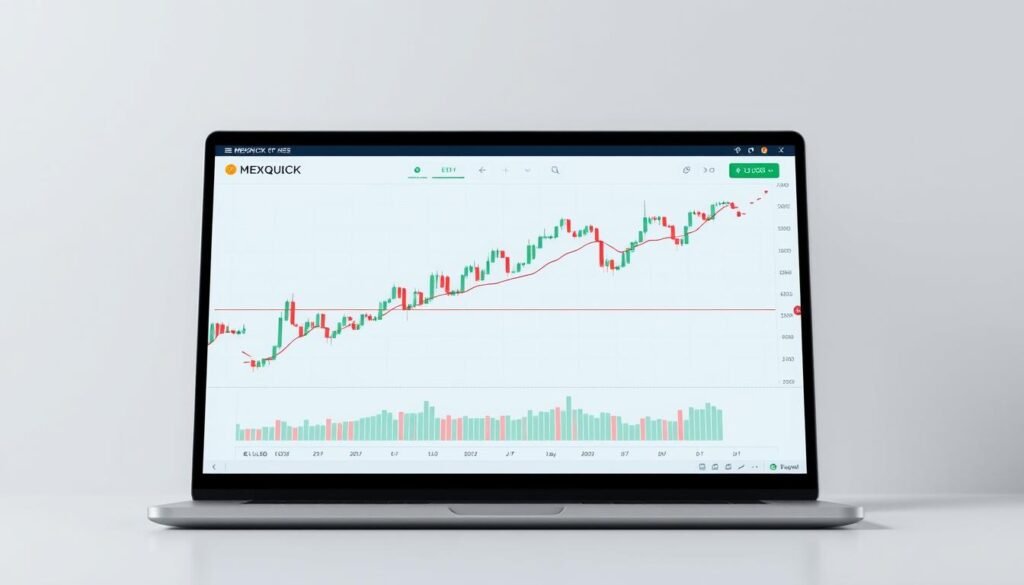
Read a live quote: 1.12044/57 shows the bid at 1.12044 and the ask at 1.12057. That difference equals a 1.3-pip spread. On a mini lot (~10,000 units) that spread costs about $1.30 per round-trip.
How pips and spread affect cost and stops
Most major pairs quote pips in the fourth decimal place, so 0.0001 = 1 pip. Knowing pip value helps you set stops and calculate risk in usd.
- Majors like this pair usually offer tighter spread and steadier rates, which lowers per-trade cost for beginners.
- Watch London/New York overlap—spreads tighten and liquidity peaks in that window.
- Track the average daily range to size stop-loss and take-profit levels realistically.
| Item | Example | How to use |
|---|---|---|
| Quote | 1.12044/57 | Read bid/ask to find spread |
| Spread | 1.3 pips | Multiply by pip value to get cost |
| Mini lot cost | ~$1.30 | Include in trade plan and journal |
Practice entries and exits on demo with this currency pair first. Mastering one major speeds learning more than switching between many pairs.
Platform-by-platform strengths at a glance
Match strengths to your goals. Below is a concise view of what each broker does best so you can pick a path: cost control, education, tools, or social learning.
Best for low spreads
FOREX.com RAW can show 0.0-pip EUR/USD spreads with a $7 per 100K commission. OANDA Core averages ~0.4–0.5 pip with $5 per 100K. Compare net fees, not just the headline spread.
Best for ease of use and education
tastyfx (IG heritage) and Plus500 are award-winning for onboarding and clear learning paths. They suit beginners who want guided lessons and an intuitive UI.
Best for tools and integrations
OANDA links to MT4 and TradingView. Interactive Brokers gives interbank access and advanced tooling for users who plan to scale and code indicators.
Best for copy and social features
eToro leads with large-scale copy networks and an expanding education library for hands-on observation.
| Broker | Strength | Primary use |
|---|---|---|
| FOREX.com RAW | Ultra-low spreads | Cost-focused list |
| OANDA Core | Balanced low fees + tools | Cost + charting |
| tastyfx / Plus500 | Education & ease | Beginner learning |
| eToro / IBKR | Social copy / professional access | Copying & advanced tools |
- Try each with a demo to test order flow, charting, and real spreads.
- Check statement-level fees after a few sessions to confirm real costs.
- Revisit your choice as needs shift from education to tool depth or lower fees.
Key differences from stock trading new forex traders should know
Moving from stock markets to currency markets requires fresh expectations. The two worlds differ in how orders run, what drives price moves, and how costs show up on your statements.
OTC hours, execution, and liquidity
The currency market is OTC and runs 24/5. That means trades route through dealers and banks around the globe, not a single centralized exchange like most stock venues.
Expect liquidity to ebb with session hours. Spreads widen outside overlapping London/New York sessions, which affects execution and slippage.
Costs and leverage norms
Transaction costs are often embedded in spreads rather than per-share commissions. This makes round-trip costs less obvious unless you calculate spread × pip value.
Leverage norms are higher in currency markets. That amplifies both gains and losses, so adapt position sizing and risk controls you used in stock trading.
Drivers, shorting, and practical tips
Stocks move on earnings and corporate action. Currencies respond to macro data, central bank moves, and geopolitical shifts.
Short exposure in currency is symmetrical: you buy one currency and sell another. Execution, settlement, and typical slippage patterns differ from equities.
- Adjust position size: reduce lot size compared with similar-dollar stock trades.
- Use demo accounts: test order flow and risk limits before funding live money.
- Prioritize money management: tighter stop rules and lower leverage protect capital when switching markets.
From demo to live: your first trades on a beginner-friendly platform
Turn demo practice into small, disciplined live trades once your edge shows steady, repeatable results. Use the demo to master order types, chart setup, and how to buy sell without risking real money.
Open, fund, test on demo, then start small on micro lots
Open a demo account to rehearse market, limit, and stop orders. Practice entries and exits until you can execute without hesitation.
When you fund a live account, start with money you can afford to lose. Use micro positions to cap per-pip exposure and convert percent risk into position size.
Use stop-loss, focus on percentage returns, and avoid overleverage
Place a stop-loss on every position to define maximum risk. Focus on percentage returns rather than chasing dollar gains.
Avoid excessive leverage. Keep risk per trade small while you test across many sessions and market conditions.
“Small, repeatable gains beat occasional large wins when you’re building real skill and capital preservation.”
- Read broker terms and confirm fees, margin rules, and withdrawal steps.
- Use an economic calendar before entries to avoid surprise moves.
- Log each trade with entry rationale, position size, stop, and outcome.
- Enable 2FA, verify bank details, and monitor statements for accuracy.
- Ignore unsolicited signals or guaranteed-profit claims; join reputable communities instead.
| Step | Action | Why it matters |
|---|---|---|
| Demo practice | Test market, limit, and stop orders | Build execution confidence without risk |
| Fund small | Use micro lots and modest deposit | Limits per-pip loss while you learn |
| Risk controls | Stop-loss, percent targets, low leverage | Protects capital and enforces discipline |
| Record keeping | Journal entries, reasons, and results | Turns experience into a repeatable process |
Next step: scale size gradually only after consistent results across many trades. Use platform education, live webinars, and checklists to refine your edge while protecting capital.
Conclusion
Make a simple action plan: shortlist two regulated brokers that match your priorities — education, execution, or low cost — and open demo accounts to compare real spreads and order flow.
Practice on EUR/USD to learn how pips, pip value, and the spread affect position sizing. Move from demo to a funded account only when your process produces consistent, repeatable results.
Control risk: treat leverage cautiously, use micro lots at first, and log each example — units, stop size, and outcome — so mistakes become lessons, not losses.
Focus on platform reliability, transparent data, and clear fees when you choose a broker. Shortlist two, test execution on EUR/USD, and start small with micro positions as your next practical step.
FAQ
What should a U.S. beginner look for when choosing the best forex trading platforms?
Look for strong regulation (CFTC and NFA oversight), clear fee structures, educational resources, and a simple user interface. Confirm available account types like demo, micro, and mini accounts, check spreads and commissions, and verify execution quality and leverage options. Also review customer support and deposit/withdrawal fees to avoid surprises.
How do spreads, commissions, and other fees affect my cost to trade?
The spread is the difference between buy and sell prices; commissions may be charged per lot or per trade. Also watch for overnight financing (swap), inactivity fees, and transfer charges. Compare standard vs RAW/Core pricing to see when zero-pip spreads make sense and factor total cost into your position-sizing and risk management.
Is a demo account enough to prepare me for live markets?
A demo account helps you learn order entry, platform tools, charting, and basic risk settings without risking capital. It doesn’t replicate emotional pressure or slippage under live conditions, so use demo for skills and backtesting, then start live with micro lots to bridge the gap.
Which currency pairs should beginners trade first?
Start with major pairs like EUR/USD and USD/JPY. Majors offer tighter spreads, higher liquidity, and more predictable pip values, making them ideal to learn spreads, pips, and execution. Avoid exotic pairs early because they have wider spreads and less consistent pricing.
What is leverage and how much should new traders use?
Leverage lets you control larger positions with less capital, increasing both potential gains and losses. New traders should use low leverage—sometimes 1:10 or lower—and calculate margin and pip value for micro and mini lots to manage risk effectively.
How important is platform software like MetaTrader, cTrader, or TradingView?
Software matters for charting, indicators, algorithmic tools, and order execution. MT4/MT5 support Expert Advisors and a marketplace; cTrader offers realistic backtesting and algorithmic trading; TradingView has advanced charts and Pine Script with broker connectivity. Choose software that fits your strategy and device needs.
What role do broker education and support play for beginners?
Broker academies, webinars, and in-platform tips speed learning and help reduce mistakes. Trusted free resources like BabyPips, NFA/CFTC guides, and introductory courses complement broker content. Good support shortens problem resolution times for deposits, withdrawals, and technical issues.
How do order execution and spreads affect my results?
Fast, reliable execution reduces slippage and keeps costs predictable. Tighter spreads lower entry/exit costs, especially for scalpers and active traders. Compare execution models—STP, ECN, or market maker—and test live spreads during active hours for the pairs you’ll trade most.
What account type is best for someone starting with limited capital?
Micro and mini accounts let you trade smaller lot sizes and manage risk with lower capital. Use demo first, then open a micro account to practice position sizing, stop-loss placement, and risk per trade without risking large sums.
Are social and copy trading worthwhile for beginners?
Social and copy trading—offered by brokers like eToro—can speed learning by observing experienced investors. Use it cautiously: review the copied trader’s track record, drawdowns, and risk settings, and never allocate more than you can afford to lose.
How do U.S. regulations affect available brokers and account features?
U.S. oversight by the CFTC and NFA restricts leverage and requires strict reporting and segregation of client funds. Some global brokers limit services in the U.S. or offer different account types. Verify a broker’s registration and compliance before opening an account.
What are common pitfalls new traders should avoid when starting live trading?
Avoid overleveraging, trading too many pairs, ignoring fees, and skipping a written plan. Use stop-loss orders, manage position size by percentage of capital, and keep a trading journal to track performance and refine your strategy.
How do pip values and lot sizes differ across micro, mini, and standard lots?
A standard lot is 100,000 units, mini is 10,000, and micro is 1,000. Pip value scales accordingly—micro lots have the smallest pip value and lowest dollar risk per pip, which helps beginners learn position sizing and margin without large exposure.
Can I use advanced tools like Expert Advisors or algorithmic strategies as a beginner?
Yes, but start small. Automated tools on MT4/MT5 or cTrader can help backtest and execute strategies, yet require monitoring and optimization. Test strategies on demo and forward-test with micro accounts to validate performance under live conditions.
How do I compare brokers for low spreads and best execution?
Compare live spread snapshots during active market hours, review commission structures, and read execution reports or third-party reviews. Brokers like OANDA and FOREX.com are known for tight pricing; Interactive Brokers provides deep liquidity for low commissions.
What other fees should I watch besides spreads and commissions?
Check overnight financing (swap/rollover), deposit and withdrawal fees, inactivity charges, and data or premium tool subscriptions. These smaller fees add up and can affect long-term returns, especially for part-time traders.